

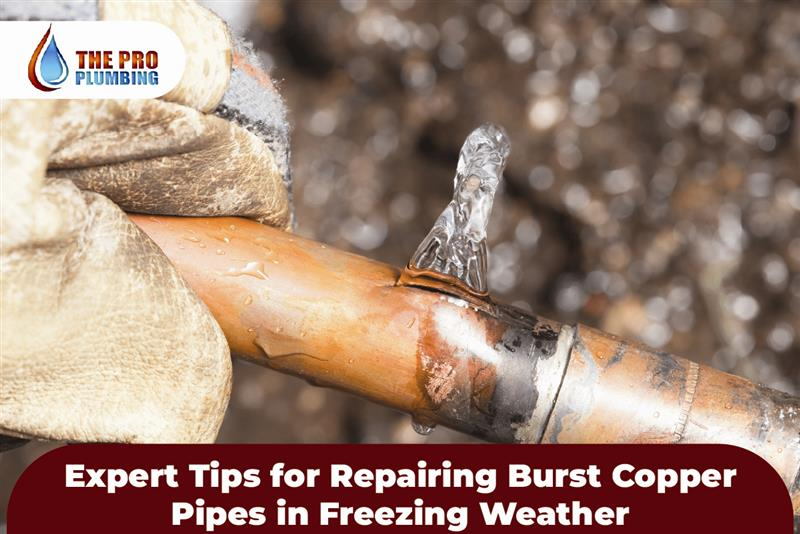
When freezing weather hits, even the strongest plumbing systems can struggle. Copper pipes, while durable and long-lasting, are especially vulnerable when temperatures drop suddenly. Water inside a copper water pipe can freeze, expand, and exert intense pressure, leading to cracks, splits, or a full-blown burst. Unfortunately, many homeowners don’t notice the damage until the ice melts and a severe water pipe leak appears.
The good news is that burst copper pipes don’t always mean a complete plumbing overhaul. With the proper knowledge, fast action, and smart repair choices, you can limit damage, control costs, and protect your home. This guide walks you through expert-backed tips for copper pipe repair in freezing weather, written in a clear, humanized, and genuinely helpful way. Whether you’re handling an emergency or planning, these insights will help you make confident decisions and know when to call a professional.
Understanding Why Copper Pipes Burst in Freezing Weather
Copper plumbing repair often starts with understanding the real cause of the problem. Contrary to popular belief, pipes don’t burst because ice expands against the copper walls alone. Instead, the blockage caused by ice increases pressure between the faucet and the frozen section. When that pressure becomes too high, the copper pipe gives way at its weakest point.
Additionally, older homes with aging copper plumbing are more prone to damage. Over time, mineral buildup and corrosion thin the pipe walls. As a result, freezing conditions can quickly turn a small weakness into a copper pipe leak. Even newer systems aren’t immune if pipes run through uninsulated walls, crawl spaces, or attics.
By knowing why bursts happen, you can better prevent them and respond more effectively when repairs are needed.
Spotting Early Signs of a Burst or Hidden Leak
Not all burst pipes announce themselves with flooding. In many cases, the damage starts small. A pinhole leak in copper piping, for example, can slowly release water behind walls or under floors. Over time, this can cause mold growth, warped flooring, and structural damage.
Common warning signs include reduced water pressure, unexplained water stains, damp drywall, or a sudden spike in your water bill. You may also hear hissing or dripping sounds even when faucets are off. These clues often point to a copper water pipe problem that needs immediate attention.
Catching a copper pipe leak early can save you thousands in repairs. Therefore, regular inspections during winter are always a smart move.
Immediate Steps to Take When a Copper Pipe Bursts
When a burst happens, every second counts. First, shut off your main water supply right away. This step prevents additional water from flowing into the damaged pipe and limits flooding. Next, turn off your water heater to avoid pressure buildup or overheating.
After that, open nearby faucets to drain remaining water from the system. This reduces pressure and helps prevent additional damage. If possible, use towels or buckets to control leaking water and protect nearby surfaces.
While temporary fixes can help, remember that freezing-related damage usually requires proper copper plumbing repair. Acting fast buys you time, but it doesn’t replace a permanent solution.
Temporary Fixes to Control Copper Pipe Leaks
In emergencies, temporary repairs can minimize damage until professional help arrives. Pipe repair clamps, rubber patches, or epoxy putty are standard short-term solutions. These methods work best for small cracks or pinhole leaks in copper pipes.
However, it’s essential to understand their limitations. Temporary fixes are not designed to withstand long-term water pressure or repeated freezing cycles. While they may stop a water pipe leak for now, the underlying weakness remains.
Use these methods as a stopgap, not a final repair. Once conditions are safe, plan for a permanent copper pipe repair to restore your plumbing’s integrity.
Permanent Repair Options for Burst Copper Pipes
Permanent solutions depend on the extent of the damage. For localized issues, pipe soldering is a reliable method. This process involves cutting out the damaged section and soldering in a new copper piece. When done correctly, it creates a strong, long-lasting seal.
However, repeated leaks or widespread corrosion may signal a larger issue. In such cases, copper repipe solutions are often the best choice. Repiping replaces old or compromised lines entirely, eliminating recurring leaks and improving overall water quality.
Professional plumbers can assess whether a single repair or a complete copper repipe is the smarter investment for your home.
Preventing Future Copper Pipe Freezing and Bursts
Prevention is always better than repair. Insulating exposed pipes is one of the most effective ways to avoid freezing. Foam pipe insulation, heat tape, and proper sealing around wall penetrations all help maintain safe temperatures.
Additionally, keeping a slow drip running during extreme cold can relieve pressure and reduce the risk of freezing. Opening cabinet doors under sinks allows warm air to circulate pipes, especially in kitchens and bathrooms.
Routine inspections and proactive copper plumbing repair also play a key role. Addressing minor issues early helps you avoid major winter emergencies.
When to Call a Professional Plumber for Copper Pipe Repair
While DIY fixes may seem appealing, not every situation is suitable for self-repair. Extensive water damage, hidden leaks, or repeated pipe failures require professional expertise. Licensed plumbers use specialized tools to detect hidden copper pipe leaks and ensure repairs meet safety standards.
Professional services also provide peace of mind. Experts can recommend long-term solutions, whether that means advanced pipe soldering techniques or a complete copper repipe. Their experience ensures the job is done right the first time.
For trusted solutions and expert care, homeowners often rely on experienced professionals like those at for reliable plumbing services.
Why Professional Copper Repiping Can Be a Smart Investment
If your home experiences frequent leaks, repiping may actually save money over time. New copper lines improve water flow, reduce contamination risk, and eliminate recurring repair costs. While the upfront investment is higher, the long-term benefits are significant.
Modern copper repiping techniques are less invasive than many homeowners expect. Professionals can complete the process efficiently while minimizing disruption. If you’re considering this option, learn more about expert solutions. For homeowners dealing with ongoing copper water pipe issues, repiping provides a fresh start and long-term reliability.
Final Thoughts: Protect Your Home Before the Next Freeze
Burst copper pipes are stressful, but they don’t have to be overwhelming. By understanding how freezing causes damage, recognizing early warning signs, and knowing your repair options, you can take control of the situation. From temporary fixes to permanent copper plumbing repair, the right approach protects both your home and your budget.
Most importantly, don’t ignore small leaks or recurring issues. Addressing them early prevents costly emergencies later. If you want additional guidance on repair methods, this resource on no-solder solutions can also help.
Preparation today can save you from major headaches tomorrow.
FAQs About Repairing Burst Copper Pipes in Freezing Weather
How do I know if my copper pipe burst due to freezing?
Signs include sudden loss of water pressure, visible cracks, water stains, or active leaking when temperatures rise.
Can a pinhole leak in copper pipes get worse over time?
Yes. Pinhole leaks often expand, leading to larger failures and extensive water damage if left untreated.
Is pipe soldering safe for winter repairs?
Absolutely. When performed by a professional, pipe soldering creates a durable, long-lasting repair even in cold conditions.
Should I replace all my pipes after one burst?
Not always. However, repeated leaks or aging plumbing may make copper repipe solutions more cost-effective in the long run.
What’s the best way to prevent copper pipes from freezing again?
Insulation, sealing drafts, maintaining indoor heat, and scheduling regular plumbing inspections are the most effective steps.