

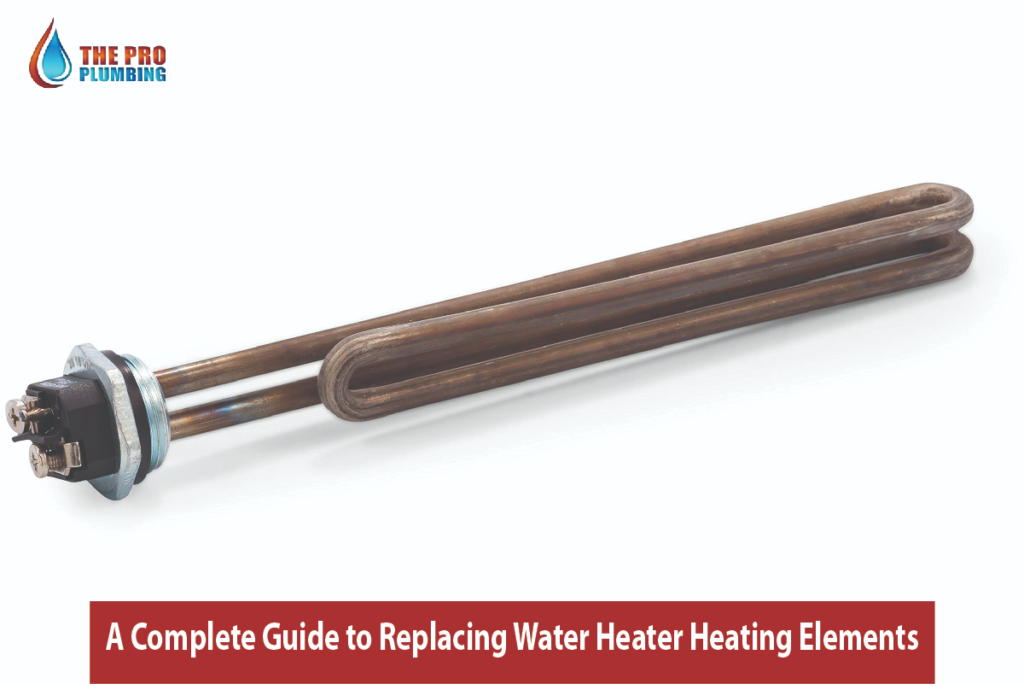
A sudden loss of hot water can throw off your entire day. From cold showers to ineffective dishwashing, a failing water heater is more than just an inconvenience; it disrupts your comfort. Fortunately, in many cases, the problem is not the whole unit but a worn-out heating element. Knowing how to replace a water heater heating element can save you time, money, and stress.
This guide is designed to walk you through everything you need to know, whether you’re a curious homeowner or someone considering a DIY water heater element repair. We’ll cover warning signs, step-by-step insights, testing methods, costs, and when to call a professional. Along the way, we’ll also highlight expert resources to ensure you have trusted help when needed. Let’s get started and bring the hot water back to your home, confidently and safely.
Understanding How Water Heater Heating Elements Work
Electric water heaters rely on heating elements to warm the water inside the tank. Most residential systems use a dual-element water heater, which includes both an upper and a lower element. These elements work together to heat the water efficiently and maintain a consistent temperature throughout the tank.
The setup for the upper- and lower-element water heater is essential to understand. The upper element heats the top portion of the tank first, ensuring you get hot water quickly. Once that’s done, the lower element takes over to heat the rest of the tank. If either element fails, your hot water supply may become inconsistent or disappear altogether.
Common Water Heater Element Symptoms You Shouldn’t Ignore
Before jumping into repairs, it’s essential to recognize the symptoms of a water heater element. One of the most common signs is lukewarm or completely cold water, even when the thermostat is set correctly. This often indicates that a water heater element is not working properly.
Another frequent issue is running out of hot water faster than usual. This typically indicates a lower element failure in a dual-element system. You may also hear popping or sizzling sounds, often caused by sediment on the heating element. Over time, sediment buildup reduces efficiency and can lead to premature failure.
Diagnosing the Problem Before Replacing the Element
Accurate diagnosis is key to avoiding unnecessary repairs. Before you replace a water heater heating element, you should confirm that the component is actually the issue. Start by checking the circuit breaker and thermostat settings. Sometimes, the fix is more straightforward than expected.
Next, test the water heater element with a multimeter. This test measures electrical resistance and helps determine whether the component is functioning correctly. A healthy element typically shows resistance between 10 and 20 ohms, depending on wattage. If the reading is zero or infinite, the element has failed and needs replacement.
Step-by-Step Guide to Replacing a Water Heater Heating Element
Replacing a heating element may sound intimidating, but with proper preparation, it’s manageable. First, turn off the power at the breaker and shut off the cold water supply. Drain the tank partially to avoid spills when removing the element.
Once the tank is ready, remove the access panel and insulation. Use a heating element wrench to loosen and remove the faulty element. Install the new element securely, refill the tank, and restore power only after the tank is full. This dual-element water heater fix restores efficiency and extends the life of your system when done correctly.
Upper vs. Lower Element: Which One Should You Replace?
Knowing whether the upper or lower element is faulty can save time and money. In most cases, the lower element fails first because it handles more heating cycles. When the lower element goes out, you’ll notice reduced hot water capacity rather than a total loss.
However, if the upper element fails, the entire system may stop producing hot water. Understanding this distinction in an upper-lower element water heater setup helps you make informed repair decisions and ensures you replace only what’s necessary.
Cost to Replace Heating Element: DIY vs. Professional Help
The cost to replace a heating element varies depending on whether you do it yourself or hire a professional. DIY costs usually range from $20 to $60 for the part, plus basic tools if you don’t already own them. This makes DIY an appealing option for handy homeowners.
On the other hand, professional replacement typically costs between $150 and $350, including labor. While this is more expensive, it offers peace of mind and ensures the job is done safely, providing expert service with reliable, efficient solutions.
How Sediment Buildup Affects Heating Elements
Sediment accumulation is one of the most overlooked issues in water heater maintenance. Minerals in hard water settle at the bottom of the tank, eventually coating the heating elements. This sediment on the heating element acts as insulation, forcing the element to work harder and overheat.
Regular flushing of your water heater helps prevent sediment buildup and extends the lifespan of your elements. Addressing sediment early not only improves efficiency but also reduces the likelihood of unexpected breakdowns and costly repairs.
When DIY Water Heater Element Repair Is Not Enough
While DIY water heater element repair can be effective, it’s not always the best solution. If your water heater is more than 10 years old or shows signs of corrosion, replacing the element may only be a temporary fix.
Additionally, recurring issues often point to deeper problems such as faulty wiring or a failing thermostat. In these cases, professional diagnostics are essential. Helpful troubleshooting tips can offer guidance on when to repair and when to replace.
Final Thoughts: Restore Comfort with the Right Approach
Replacing a water heater heating element doesn’t have to be overwhelming. With the proper knowledge, tools, and safety precautions, many homeowners can handle this repair confidently. Understanding symptoms, testing elements, and addressing sediment buildup are vital to maintaining a reliable hot water supply.
However, knowing your limits is just as important. When in doubt, professional plumbers ensure long-term performance and safety. Whether you choose DIY or expert help, timely action will keep your water heater running efficiently and your home comfortable year-round.
Frequently Asked Questions
How do I know if my water heater element is bad?
Common signs include lukewarm water, running out of hot water quickly, or failing a water heater element ohms test.
Can I replace just one element in a dual-element water heater?
Yes, you can replace either the upper or lower element individually, depending on which one has failed.
How long does it take to replace a heating element?
A DIY replacement usually takes 1–2 hours, while a professional can complete it in less time.
Is it safe to replace a water heater element myself?
It’s safe if you follow proper steps, turn off the power, and drain the tank correctly. If unsure, hire a professional.
How often should water heater elements be replaced?
On average, heating elements last 6–10 years, depending on water quality and maintenance.