

Dealing with sewer line problems is never on a homeowner’s wish list. However, when backups, foul odors, or recurring clogs start disrupting daily life, ignoring the issue can cost far more in the long run. That’s where trenchless sewer replacement comes into play. Unlike traditional dig-and-destroy methods, trenchless solutions offer a cleaner, faster, and often more cost-effective way to restore your sewer system.
Still, one big question remains: how do you budget wisely for trenchless sewer replacement projects without overspending or cutting corners? The answer lies in understanding the costs, knowing what affects pricing, and planning with realistic expectations. With the right approach, homeowners can make informed decisions while protecting their property and finances.
In this guide, we’ll break down trenchless sewer costs, explore pricing factors, compare repair methods, and share smart budgeting tips. Whether you’re planning or facing an urgent repair, this article will help you stay financially prepared as you choose a long-term sewer solution.
Understanding Trenchless Sewer Replacement Basics
Trenchless sewer replacement is a modern method that repairs or replaces damaged sewer lines without digging large trenches across your yard. Instead of tearing up landscaping, driveways, or sidewalks, professionals access the pipe through minor entry points. This approach significantly reduces surface damage and restoration costs.
Two of the most common methods include CIPP sewer repair (cured-in-place pipe lining) and pipe bursting. Both techniques offer durable, long-lasting results, making them ideal for homeowners looking for a no-dig sewer replacement option. Understanding how these methods work is the first step toward budgeting wisely and avoiding unnecessary expenses.
Average Trenchless Sewer Cost: What to Expect
One of the most significant advantages of trenchless methods is cost predictability. While prices vary, the trenchless sewer cost is typically moderate to high upfront but often saves money in the long term. On average, homeowners may spend anywhere from a few thousand to over ten thousand dollars, depending on the project scope.
Compared to traditional excavation, trenchless solutions usually reduce additional expenses like landscaping repairs, driveway replacement, and labor time. When evaluating your sewer line repair cost, it’s essential to look beyond the initial quote and consider total project value, durability, and reduced disruption.
Pipe Lining Cost vs. Pipe Bursting Price
Pipe lining, also known as CIPP sewer repair, involves inserting a resin-coated liner into the existing pipe. Once cured, it forms a seamless new pipe inside the old one. The pipe lining cost is often lower when pipes are structurally sound but suffering from cracks, corrosion, or root intrusion.
On the other hand, pipe bursting completely replaces the damaged line by breaking it apart and pulling a new pipe through the same path. The pipe-bursting price may be higher up front, but it’s ideal for severely collapsed or outdated pipes. Choosing the correct method ensures you don’t overpay for repairs that won’t last.
Key Factors That Affect Sewer Relining Expense
Several factors influence the final cost of sewer relining, and understanding them helps prevent budget surprises. Pipe length, diameter, material, and level of damage all play a role. Longer sewer lines or deeper pipes typically require more labor and equipment.
Accessibility also matters. Pipes located under concrete slabs or in hard-to-reach areas may increase the cost of trenchless pipe installation. Additionally, local permit fees, inspections, and municipal regulations can affect overall pricing. A professional inspection ensures accurate estimates and avoids unexpected add-ons.
Why No-Dig Sewer Replacement Saves Money Long-Term
At first glance, trenchless solutions may seem more expensive than traditional methods. However, no-dig sewer replacement often proves more economical over time. With fewer labor hours and minimal property damage, homeowners avoid secondary repair costs.
More importantly, trenchless systems are designed to last decades. Modern materials resist corrosion, root intrusion, and leaks. When you factor in longevity, reduced maintenance, and improved flow efficiency, the investment delivers long-term value that traditional repairs struggle to match.
Budgeting Tips for Trenchless Pipe Projects
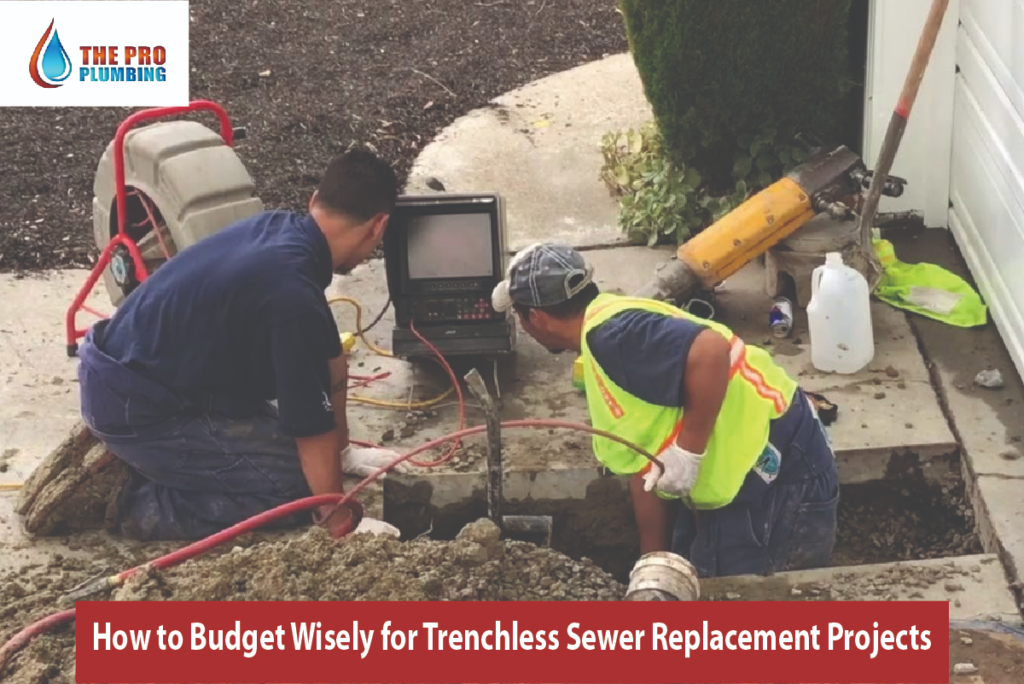
Smart budgeting starts with a professional camera inspection. This diagnostic step pinpoints damage and confirms whether trenchless repair is suitable. Accurate diagnostics help prevent unnecessary work and inflated costs.
Next, request detailed estimates that break down labor, materials, permits, and equipment. Comparing quotes ensures fair pricing while avoiding low bids that may cut corners. Partnering with experienced professionals helps ensure quality artistry and transparent pricing.
Planning to Reduce Sewer Line Repair Costs
Proactive maintenance plays a significant role in reducing sewer line repair costs. Regular inspections catch minor issues before they become major failures. Tree root management, proper waste disposal, and routine cleaning can significantly extend pipe life.
Homeowners in California can explore expert services for preventive care and timely repairs. Planning early allows you to budget calmly instead of making rushed decisions during emergencies.
Choosing the Right Contractor for Trenchless Solutions
The success of any trenchless project depends heavily on contractor expertise. Licensed, insured, and experienced professionals understand how to deliver efficient repairs while keeping costs under control.
Look for contractors who clearly explain options, provide warranties, and use advanced equipment. Trustworthy professionals will also guide you through financing options and maintenance tips. Educational resources show a company’s commitment to helping homeowners make informed decisions.
Final Thoughts on Budgeting for Trenchless Sewer Replacement
Budgeting wisely for trenchless sewer replacement projects comes down to preparation, education, and choosing the right professionals. While the upfront trenchless pipe cost may feel significant, the long-term savings, durability, and minimal disruption make it a wise investment.
By understanding pricing factors, comparing repair methods, and planning, homeowners can protect both their property and their finances. Trenchless technology isn’t just a modern solution; it’s a financially responsible one.
FAQs About Trenchless Sewer Replacement
How long does trenchless sewer replacement last?
Most trenchless systems last 40–50 years or more with proper maintenance.
Is trenchless sewer repair always cheaper than traditional methods?
While upfront costs may be similar, trenchless repairs often save money by avoiding property restoration expenses.
What is the most affordable trenchless option?
CIPP sewer repair is typically more affordable when the existing pipe structure is intact.
Can trenchless methods fix collapsed pipes?
Yes, pipe bursting is ideal for fully collapsed or severely damaged sewer lines.
Does homeowners’ insurance cover trenchless sewer repair?
Coverage varies by policy. It’s best to check with your insurance provider.